Electrical Services in Port St. Joe, FL
Local Electrical Expertise
In downtown Port St. Joe and across the Forgotten Coast, waterfront properties, historic buildings, and growing residential neighborhoods demand reliable electrical service. Whether you need residential wiring upgrades for your home near St. Joseph Bay, commercial buildouts for retail spaces on Reid Avenue, or emergency repairs for dock and marine facilities, we deliver licensed electrical work that meets Florida code and keeps your power running.
This page covers electrician and electric generator shop services in Port St. Joe, FL—what we do, how we work, and why proximity and local knowledge matter for projects in this compact, salt-air coastal town.
How We Work
We diagnose, design, and deliver electrical solutions—clear about what's needed, what we'll do, and what to expect at each stage.
Our Process
Every project begins with a site visit and honest assessment. We inspect your wiring, panels, fixtures, and load requirements—accounting for salt-air corrosion common along the bay and Gulf-facing coastal homes in Windmark Beach or Cape San Blas.
Inspect & Diagnose
Walk the property, test circuits, identify code gaps, and assess repair vs. replacement needs specific to coastal building standards.
Design & Plan
Create a scope, provide estimates, coordinate permits with Gulf County, and confirm safety upgrades before any wire is pulled.
Install & Build
Run conduit, install fixtures, upgrade panels, add generators—clean work, minimal disruption to homes and downtown businesses.
Inspect & Pass
Final testing, code compliance sign-off, and local inspection. Work is documented and guaranteed to meet Florida electrical code standards.
You'll always know what's happening next—and when.
Our Services
Residential, commercial, and marine electrical work across Port St. Joe, St. Joe Beach, Windmark Beach, and Cape San Blas.
Residential Electrical Services
Homes in Port St. Joe range from waterfront cottages to newly built estates. Salt spray, moisture, and aged wiring require preventive care and code-compliant upgrades—service panels, GFCI outlets, smart home automation, and surge protection all ensure safety and modern convenience.
- Whole home wiring and new construction electrical rough-in
- Service upgrades and capacity expansions for additions
- Smart home systems (lighting, thermostats, security integration)
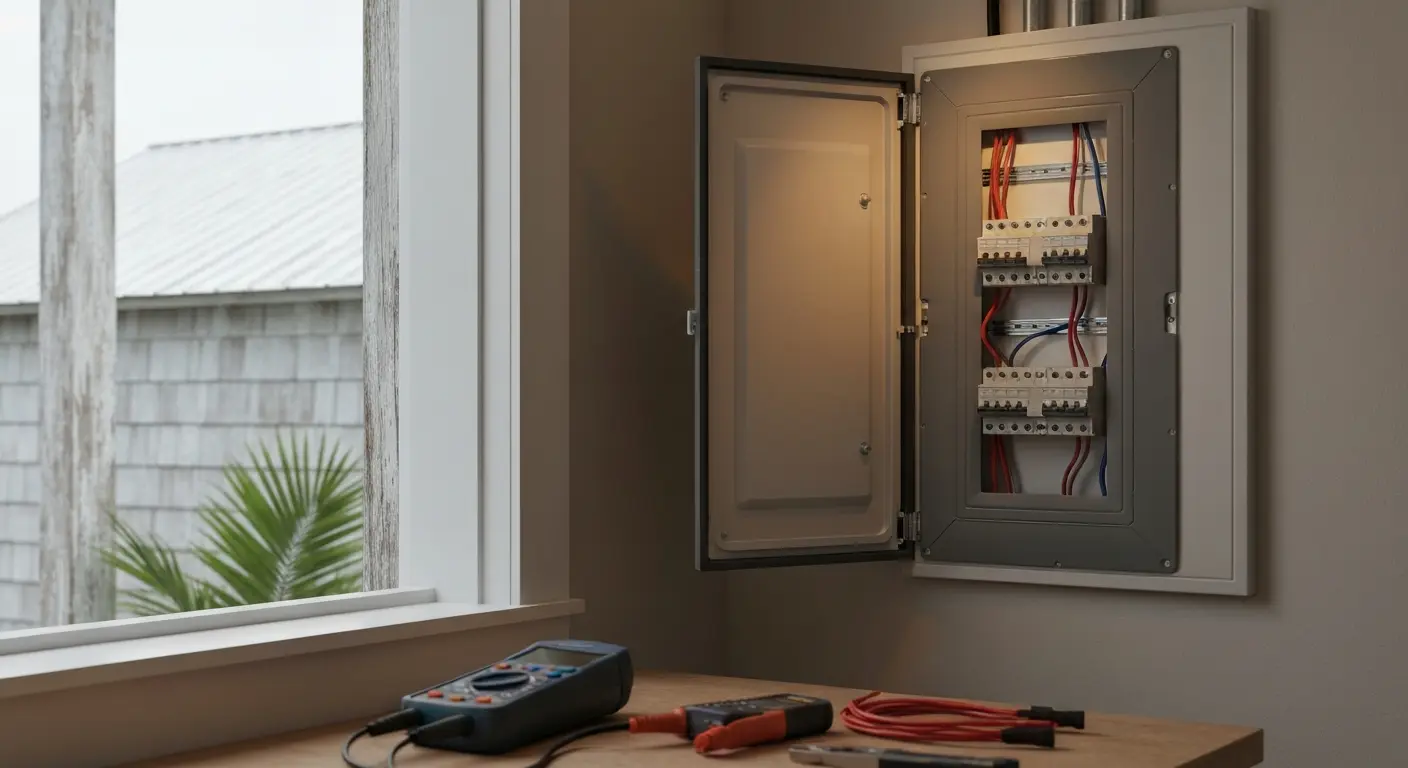
Coastal home electrical upgrade near St. Joseph Bay
Commercial & Light Industrial Services
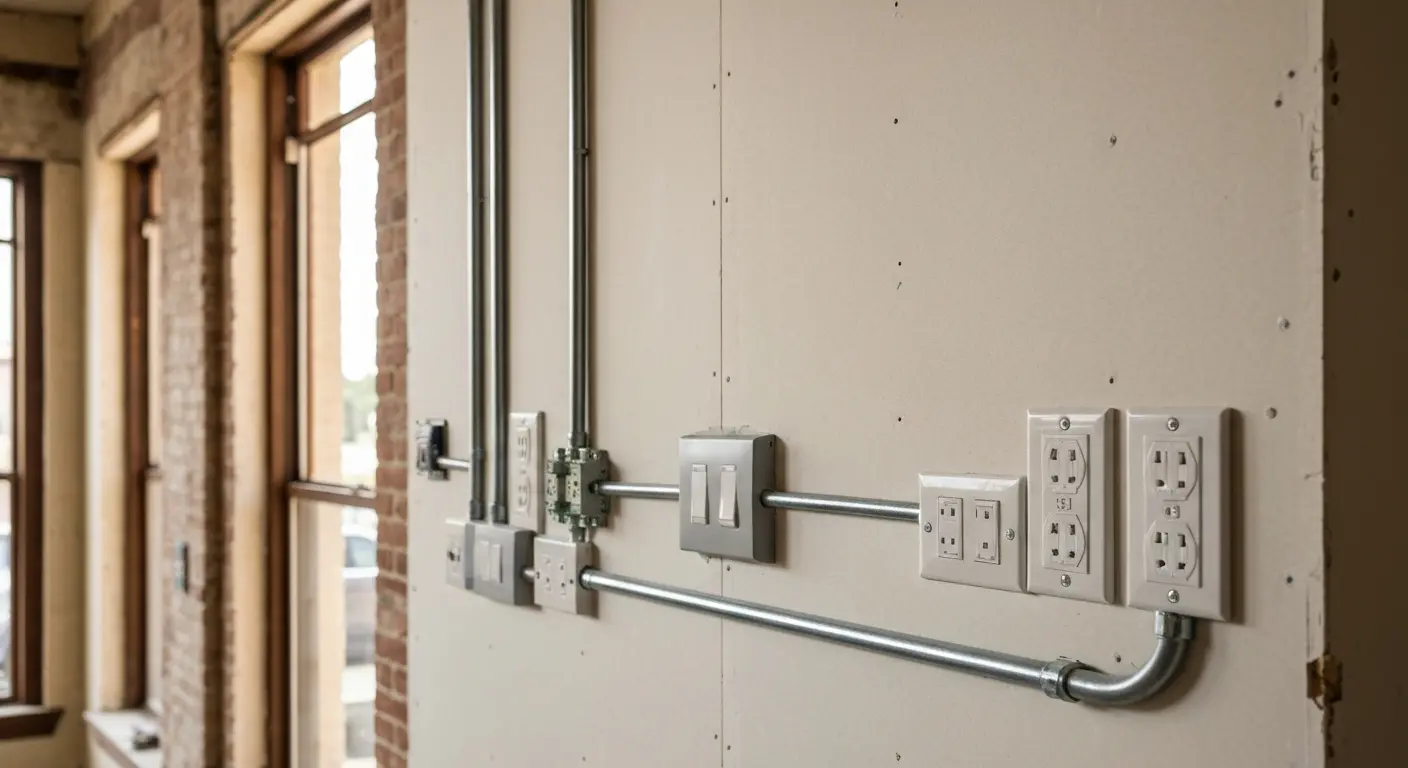
Retail tenant improvement on Reid Avenue downtown
Downtown Port St. Joe shops, restaurants, marinas, and office spaces need quick, code-compliant electrical work. We handle tenant buildouts, fixture upgrades, dock and marine electrical connections, and emergency repairs with minimal downtime.
- Commercial rough-in and finish-out wiring
- Dock and marina electrical installations
- HVAC and water well electrical connections
Emergency Repair & Troubleshooting
Power loss, breaker trips, flickering lights, or failed outlets—coastal living comes with corrosion and wear. We diagnose the problem, explain your options, and restore safe operation using tested methods and genuine parts.
Backup Power & Generators
Gulf Coast storms and occasional power disruptions make backup power essential. We size, install, and maintain portable and standby generators—with fuel hookups, automatic transfer switches, and load testing to ensure reliability during outages.
- Portable generator hookups and fuel connections
- Standby generator installation and commissioning
- Transfer switches and load analysis
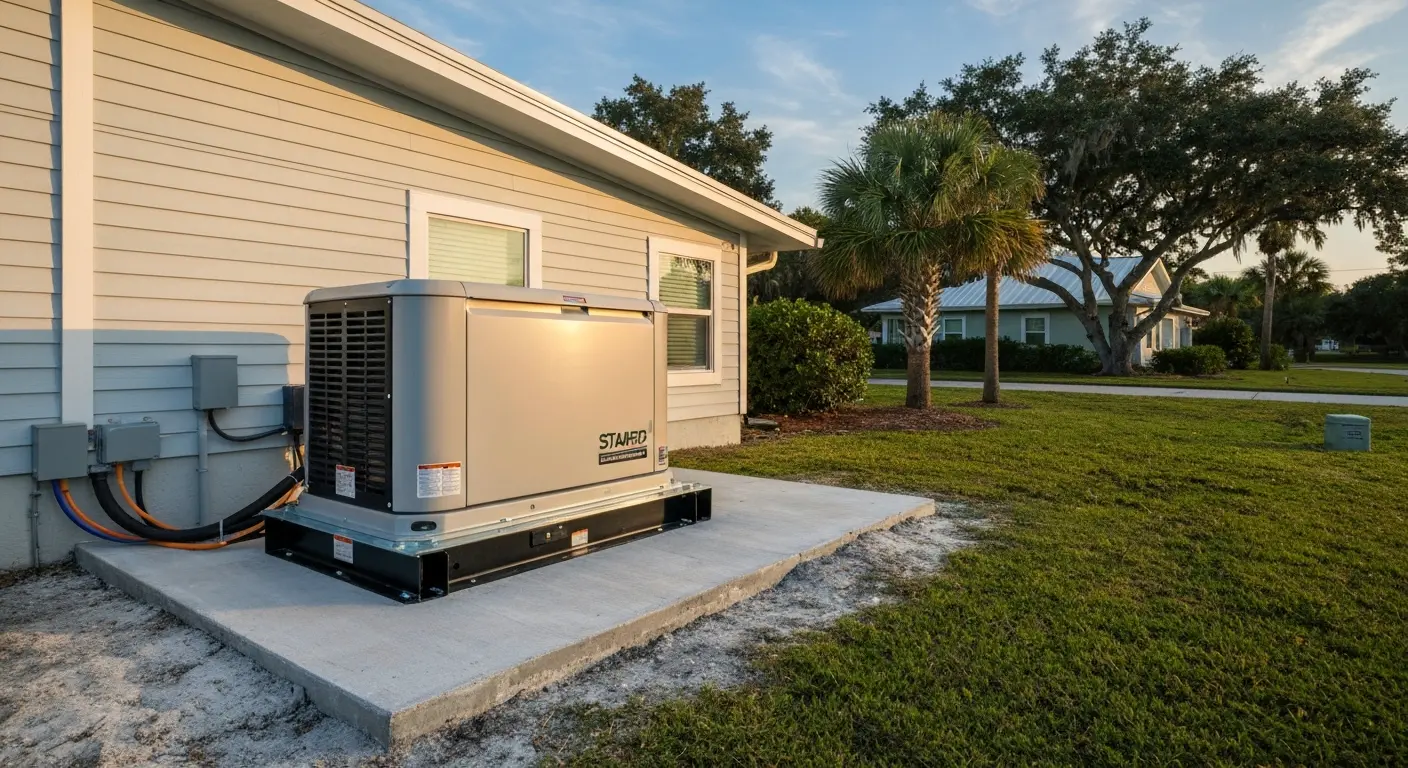
Residential backup generator in Windmark Beach community
Inspections & Safety Audits
Before buying a property or after a remodel, get a professional inspection. We check grounding, bonding, arc-fault protection (AFCI), ground-fault protection (GFCI), and compliance with 2023 Florida Building Code—especially important for older homes and waterfront properties where salt corrosion is a concern.
Why Local Expertise Matters
Port St. Joe is a tight, waterfront community. We know the building stock, the permitting process, and the challenges of coastal electrical work.
Coastal & Salt-Air Challenges
Salt spray corrodes copper and aluminum faster than inland. Homes near St. Joseph Bay and Gulf-facing properties in Cape San Blas face accelerated wire degradation and panel deterioration. We use marine-grade materials, corrosion-resistant conduit, and grounding systems built for coastal climates.
Salt-air homes require preventive inspection every 3–5 years to catch corrosion early and avoid costly failures or fire hazards.
Florida Code & Permit Coordination
Port St. Joe enforces 2023 Florida Building Code and requires electrical permits for most work. We handle permitting, scheduling inspections, and ensuring compliance—no workarounds, no shortcuts. Permits protect your home's insurability and resale value.
Waterfront & Marine Considerations
Many Port St. Joe homes sit on water or have boat docks. Dock wiring, marina connections, and waterside power systems demand specialized grounding, bonding, and safety measures. We're familiar with St. Joseph Bay electrical standards and marine power requirements.
Coverage Area
We serve Port St. Joe and the surrounding Forgotten Coast neighborhoods.
Port St. Joe & Downtown
Historic downtown (Reid Avenue district), Port St. Joe Marina, and the City Center area. Compact, walkable, and home to shops, restaurants, and commercial spaces that depend on reliable power.
St. Joe Beach & Windmark Beach
Newer residential communities with modern homes, vacation rentals, and gulf-view properties. Both areas experience higher traffic during summer months and seasonal festivals—we schedule work to minimize visitor disruption.
Cape San Blas & Surrounding Areas
Peninsula properties, historic homes, and waterfront estates near the Cape San Blas Lighthouse. Older structures may require careful upgrades to preserve character while meeting current electrical code.
Getting in Touch
We respond quickly to calls and schedule site visits at your convenience. Whether you're a homeowner, property manager, or business owner, contact us to discuss your electrical needs, ask about availability, or request a quote.
Frequently Asked Questions
Do you pull permits for electrical work?
Yes. We pull all required permits through Gulf County, schedule inspections, and ensure final sign-off before work is complete—protecting your investment and insurance coverage.
Why is grounding and bonding important on the coast?
Salt water and moisture accelerate corrosion and create electrical hazards. Proper grounding dissipates faults safely; bonding connects metallic systems to prevent shock risks—essential for waterfront homes near St. Joseph Bay.
What's the difference between a portable and standby generator?
Portable generators are manual, fuel-powered, and moved as needed; standby generators are permanently installed, auto-start during outages, and fuel from natural gas or propane. Standby is more reliable for essential systems.
Can I add a dock electrical system to my waterfront property?
Yes. Dock power requires marine-rated breakers, GFCI protection, and proper bonding to your home's system. We design and install compliant dock wiring for safe boating and storage.
How often should I have my home's electrical system inspected?
Every 3–5 years for coastal homes, or before buying/selling property. Salt spray corrosion and wear can create fire and shock hazards that aren't always visible.
What are GFCI and AFCI outlets, and do I need them?
GFCI (ground-fault circuit interrupter) cuts power if moisture is detected—required near water (kitchens, bathrooms, docks). AFCI (arc-fault circuit interrupter) detects dangerous arcs and prevents fires—required in bedrooms and living areas under Florida code.
DISCOVER WHAT OUR CUSTOMERS HAVE TO SAY ABOUT US
REVIEWS
proudly serving these areas
Panama City, FL
Tallahassee, FL
Panama City Beach, FL
Lynn Haven, FL
Port St. Joe, FL
Mexico Beach, FL
Tyndall, FL
Marianna, FL
READY TO take the next step?
get a free quote TODAY!
QUICK LINKS
our services
service areas
operating HOURS
Mon: 6:30 am - 4:30 pm
Tue: 6:30 am - 4:30 pm
Wed: 6:30 am - 4:30 pm
Thu: 6:30 am - 4:30 pm
Fri: 6:30 am - 4:30 pm
Sat: Closed - Closed
Sun: Closed - Closed